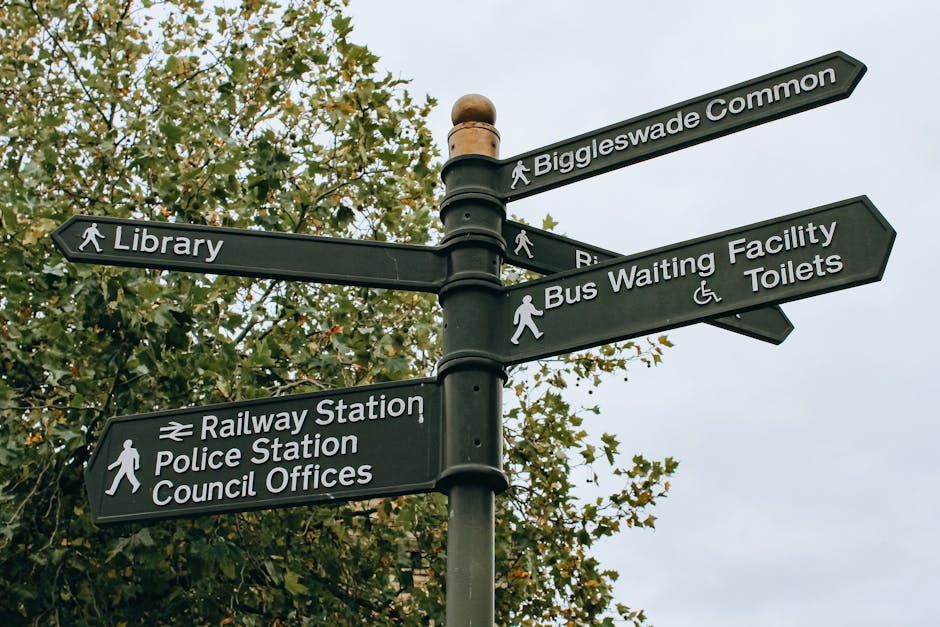
What to know about Reigate and Banstead council rubbish rules
If you live in Reigate and Banstead, rubbish rules can feel simple right up until the moment you've got a pile of bags by the front gate, a broken wardrobe in the hall, or garden waste that won't quite fit where you hoped it would. Then the questions start. What can go out? When? In which bin? And what happens if the council won't take it?
This guide explains what to know about Reigate and Banstead council rubbish rules in clear, practical language. You'll learn how local waste collections usually work, what tends to cause problems, how to avoid missed pickups and extra hassle, and when a professional clearance service may be the smoother option. Truth be told, most waste headaches come from small mistakes, not big disasters.
We'll keep this grounded and useful, with a few real-world examples along the way. Because rubbish rules are one of those things that seem dull until they matter. Then they really matter.
Why these rubbish rules matter
Local rubbish rules are about more than keeping the street tidy, although that matters too. They help prevent overflowing bins, missed collections, pests, fly-tipping, and that familiar kerbside chaos you sometimes see on a windy morning. They also make sure waste is separated properly, which affects recycling, disposal costs, and environmental impact.
For households, the main issue is usually convenience. For landlords, letting agents, and businesses, the stakes are higher because one messy clearance can disrupt neighbours, tenants, staff, or customers. If you've ever watched a black bag split open on a pavement after being put out too early, you'll know how quickly a small error becomes everyone's problem.
In practical terms, knowing the rules helps you:
- avoid rejected collections
- reduce the risk of fly-tipping fines or complaints
- separate recyclable and non-recyclable waste more effectively
- plan bulky waste or clearance jobs without last-minute stress
- keep homes, flats, and business premises presentable
There's also a money side to this. If you put the right material out in the right way, you're less likely to need repeat trips, emergency disposal, or rushed private collections. That's the bit people often miss.
How these rubbish rules work
Reigate and Banstead's rubbish arrangements are usually understood through three layers: regular household collections, recycling separation, and special arrangements for larger or unusual waste. The exact details can change, so the safest approach is always to check the current local instructions before you put anything out.
In broad terms, most people are dealing with some mix of:
- Residual waste - the items that cannot be recycled through standard household recycling
- Recycling - paper, card, plastics, cans, glass, and other accepted materials
- Food waste - where applicable, collected separately
- Garden waste - often managed separately from general rubbish
- Bulky waste - larger items such as furniture, mattresses, or appliances
The key thing is that not everything can simply go in a black sack and disappear. A lot of local issues happen because mixed waste gets placed in the wrong container, or because a large item is left outside without the right arrangement. That sounds obvious, but in real life it happens constantly.
There are also practical considerations around where and when waste is presented. For example, in a terraced street or flat block, bins may need to be placed in a specific communal point. In a private driveway, the collection crew may not collect from inside a property boundary. Those little details can decide whether your waste goes or stays.
If you're clearing a home rather than just emptying a bin, the workload ramps up fast. In that situation, services such as house clearance or home clearance are often used when the volume is too much for normal council collection rules.
Key benefits and practical advantages
Getting the rules right gives you a few immediate benefits, and they're not just theoretical.
1. Fewer missed collections.
Waste that is overfilled, contaminated, or presented incorrectly is more likely to be left behind. A simple sort-out before collection day saves a lot of grief.
2. Better recycling rates.
Recycling correctly reduces contamination. One greasy pizza box or mixed bag of rubbish can spoil a whole container. A bit annoying, but that's the reality.
3. Safer streets and homes.
Correct disposal reduces trip hazards, smells, pests, and clutter. Especially in warm weather, or after a bank holiday when everybody seems to have the same idea at once.
4. Less stress during clear-outs.
Whether you're moving, renovating, or dealing with a bereavement, waste rules are the last thing you want to be decoding under pressure. A clear plan helps.
5. Better choice between council and private support.
Some jobs fit regular collections. Others don't. Knowing the difference helps you choose the sensible route instead of trying to force a square peg into a round bin lid.
For example, a single small bag of household rubbish is a council matter. A garage packed with old timber, broken furniture, damp cardboard, and a rusty bicycle is a different story. That's where a more flexible option such as garage clearance or broader waste removal may be more efficient.
Who this is for and when it makes sense
This topic matters to a wider group than many people first assume.
- Homeowners who are managing day-to-day waste, garden cuttings, or a house declutter
- Tenants who need to avoid trouble with bin stores, shared areas, or move-out cleaning
- Landlords and letting agents handling end-of-tenancy rubbish, abandoned items, or clearance between lets
- Businesses with office waste, packaging, or occasional bulky rubbish
- Trades and renovators who need a compliant route for builders' waste
- People clearing inherited property or dealing with a major life event
It also makes sense if you're in a flat or a property with limited outside space. Flats are a common pain point because there's often less storage, shared bins, and more pressure to get the sorting right first time. If that sounds familiar, flat clearance can be worth considering when the volume starts to outgrow the building's bin system.
In office or commercial settings, rubbish rules can become a day-to-day operational issue. Packaging, confidential materials, old furniture, and general clutter can build up quietly. One minute it's a neat workspace, the next it's a cupboard full of old monitors and no one quite knows who owns them. That's where office clearance or business waste removal becomes the practical route.
Step-by-step guidance
If you want to stay on the right side of local rubbish rules without overthinking it, use this process.
- Check what kind of waste you actually have.
Separate general rubbish from recyclables, food waste, garden waste, bulky items, electricals, and anything hazardous. A lot of confusion disappears once the waste is grouped properly. - Look at the collection method.
Is it a normal wheelie bin? A communal bin store? A scheduled garden waste collection? Or a bulky waste request? The container and collection type matter. - Make sure items are clean enough for recycling.
You do not need perfection, but heavily contaminated packaging is often a problem. Empty food containers as best you can. Squash bottles if your local guidance allows it. - Break down what you can.
Cardboard boxes, flat-pack furniture, and loose items take less room if they are dismantled. It also makes collection safer and tidier. - Present waste at the right time.
Usually, that means not too early and in the designated place. Street clutter is a fast way to attract complaints. - Separate anything that needs special handling.
Mattresses, white goods, paint, plasterboard, and electricals often need a different approach. Don't guess. Guessing is how bins get rejected. - Book extra help if the job is too large.
If you're facing a full property clearance, combine ordinary recycling with a planned collection or private clearance. For heavy furniture, furniture clearance and furniture disposal are often the cleaner options.
A small example: if you're emptying a spare room and find broken shelving, paper files, a mattress, and old boxes of mixed rubbish, treat it as separate waste streams, not one mountain. That one decision can save time and, frankly, a lot of head-scratching.
Expert tips for better results
Here's the stuff that tends to make the biggest difference in the real world.
- Keep a "sort first" zone. Use one corner of a room, garage, or hallway to split rubbish into piles before collection day.
- Do the awkward items early. Mattresses, broken chairs, and old shelving always take longer than they look. They do, every time.
- Protect shared spaces. In flats or terraces, avoid leaving waste where it blocks access or irritates neighbours.
- Think about weather. Wet cardboard, windblown light plastics, and food waste in summer can create problems very quickly.
- Use the right route for the right material. Garden waste, builders' rubble, and household junk are not the same thing.
- Be realistic about volume. If you need multiple runs, awkward lifting, or a van load, a clearance service can be more efficient than piecemeal disposal.
One useful habit is to photograph the waste before you start. Not for drama. Just for planning. It helps you estimate volume, decide what can be reused or recycled, and choose the right collection method. Small thing, big payoff.
And if you're managing a larger declutter, don't forget the hidden spaces. Lofts, garages, and sheds are where rubbish quietly multiplies. You know the type: "I'll deal with that later" becomes six bin bags and a broken lamp from 2019. That's where loft clearance and garden clearance can make life much easier.
Common mistakes to avoid
Most rubbish-rule problems are predictable. The good news? They're also avoidable.
- Mixing recycling with general rubbish. This is probably the most common error. One contaminated load can undo good sorting.
- Leaving items out too early. It can lead to mess, complaints, or collections being refused.
- Assuming all bulky waste is accepted the same way. A sofa, a fridge, and a pile of scrap timber may each need a different route.
- Forgetting about weight and lifting safety. Heavy items are a hazard, especially on stairs or in tight hallways.
- Using the wrong clearance method for trade waste. Builders' and business waste often need a more structured approach.
- Ignoring communal rules in flats or managed buildings. Building managers may have separate instructions, and they matter.
- Leaving confidential paperwork mixed into general waste. That one is easy to miss in offices and home studies.
Let's face it, nobody wants a post-code-sized lecture over a misplaced bin bag. But the local consequences can be surprisingly annoying. A missed collection can snowball into a week of clutter, smells, and messages to customer services. Better to sort it properly up front.
Tools, resources and recommendations
You do not need a complicated system. A few simple tools are enough for most households and small businesses.
- Strong bin bags or rubble sacks for separating waste safely
- Marker pen and labels so everyone in the property knows what is what
- Gloves and closed shoes for handling sharp or dirty items
- Basic trolley or sack truck for heavier loads
- Cardboard boxes or crates for sorting reusable or recyclable items
- Contact details for a trusted clearance provider if the job turns out bigger than expected
If you're comparing disposal options, it also helps to understand what kind of support you actually need. A single sofa is not the same as a house full of mixed clutter. For larger domestic projects, house clearance can be a practical umbrella service. For one-off furniture jobs, a more focused service may be enough.
For people who care about how waste is handled, sustainability should also be part of the decision. A responsible approach looks beyond just "getting rid of stuff" and asks what can be reused, recycled, or diverted from landfill. If that matters to you, it should, have a look at recycling and sustainability before choosing how to dispose of larger volumes.
Law, compliance, standards, or best practice
When rubbish rules come up, people often want a simple yes-or-no answer. The trouble is, waste handling sits across household expectations, council collection arrangements, and wider UK waste responsibilities. So the best answer is usually: follow the current local collection instructions, keep waste separated correctly, and use licensed, responsible disposal routes for anything beyond standard household rubbish.
For residents, the main compliance points are practical:
- don't dump waste where it shouldn't be placed
- don't block access or create a hazard
- separate recyclable materials properly
- use the correct route for bulky, trade, or special waste
- be careful with anything that could be sharp, heavy, or hazardous
For businesses and landlords, the standards are a bit higher because there is an added duty to manage waste responsibly and avoid nuisance. Even if the task seems small, the storage, handling, and removal plan should be sensible and documented where needed.
A cautious note: council procedures and accepted materials can change. So if you are dealing with anything unusual, check the latest local instructions rather than relying on memory from last summer. Memory is a lovely thing, but not always a reliable bin calendar.
Options, methods, or comparison table
If you're deciding how to deal with rubbish in Reigate and Banstead, this simple comparison helps.
| Method | Best for | Advantages | Limitations |
|---|---|---|---|
| Council collection | Routine household waste, recycling, and scheduled collections | Convenient, familiar, often cost-effective | Limited by container size, collection dates, and accepted items |
| Bulky waste booking | Single larger items or a small number of bulky pieces | Good for occasional large items | May have item limits and specific presentation rules |
| Private clearance service | House clearances, mixed loads, heavy items, time-sensitive jobs | Flexible, fast, helps with sorting and lifting | Costs more than standard household collection |
| DIY tip run | Small loads you can transport safely | Control over timing and sorting | Requires vehicle, time, labour, and proper site access |
To be fair, there is no one-size-fits-all answer. If you just have a few bags of waste, council collection is often the sensible route. If you're dealing with furniture, builder's debris, or a time-sensitive property clearance, private help may be much more efficient.
Case study or real-world example
Here's a realistic example from the kind of situation many local households face. A family is preparing to move out of a semi-detached house. There's a broken wardrobe, two old bedside tables, several bags of mixed rubbish from the loft, and a stack of flattened cardboard from new furniture deliveries. It looks manageable at first glance. Then the pile grows on the drive.
They start by separating what can be recycled from what cannot. Cardboard is kept dry and bundled. Small household waste is bagged correctly. The bulky furniture is assessed separately because it will not fit into a standard collection route. A couple of items can be reused, which immediately reduces the load. The remaining mixed rubbish is then arranged for a clearance service rather than pushed into an overloaded bin.
The result? Less stress, a tidier move-out, no last-minute panic, and no awkward pile blocking the front path on collection day. Nothing glamorous. Just sensible, calm, workable. That's usually the win.
This is also where services like furniture clearance and furniture disposal can save time, especially when the item mix is awkward or the lift at the flat is already full of other people's Amazon boxes.
Practical checklist
Use this quick checklist before your next rubbish day or clearance job.
- Have I separated recycling from general waste?
- Do I know which items need special handling?
- Are any bags too heavy, torn, or overfilled?
- Is waste being put out at the right time and place?
- Have I checked for bulky items that need a separate route?
- Have I removed batteries, sharp items, or confidential papers?
- Is anything reusable and worth keeping out of the waste stream?
- For flats or shared homes, have I followed building rules too?
- If the job is bigger than expected, do I need help from a clearance service?
- Have I planned for safe lifting and carrying?
Expert summary: The simplest way to stay on the right side of local rubbish rules is to sort early, separate properly, and avoid forcing oversized or mixed waste into a standard collection system. Most problems happen when people leave decisions until the night before. A little planning makes the whole thing much calmer.
If the job is turning into a full clear-out rather than ordinary rubbish disposal, it may be worth comparing tailored services like garage clearance, loft clearance, or broader waste removal. That way you can match the solution to the actual problem, not just the bits visible on top.
Conclusion
Understanding what to know about Reigate and Banstead council rubbish rules is mostly about making sensible choices: sort waste properly, follow local collection instructions, keep communal spaces clear, and don't assume every item belongs in the same bin. That simple approach avoids a surprising amount of hassle.
When the waste is routine, council collections usually do the job. When the waste is bulky, mixed, or part of a larger clearance, it often makes more sense to choose a more flexible service and save yourself the backache, the delays, and the "where on earth do I put this?" moment.
For households, landlords, and businesses alike, a tidy waste plan is one of those quiet wins that makes everything else run smoother. And honestly, a calmer bin day is underrated.
Get a free quote today and see how much you can save.
However you handle it, a thoughtful approach always pays off in the end. One less mess, one less worry.
Frequently Asked Questions
What is the main thing to know about Reigate and Banstead council rubbish rules?
The main thing is that different waste types need different handling. General rubbish, recycling, food waste, garden waste, and bulky items may all follow separate rules, so it pays to sort early and check current collection guidance before putting anything out.
Can I put any black bag out with normal household waste?
Usually only if it is standard residual waste and the bag is not overfilled, damaged, or contaminated with recyclables. If you are mixing different materials into one bag, that's when problems start.
What happens if I leave rubbish out too early?
It can create clutter, attract complaints, and in some cases lead to waste being left behind. In shared streets or flats, early placement can also block access or annoy neighbours, which nobody needs.
How do I deal with bulky items like sofas or mattresses?
Bulky items often need a separate collection route rather than the normal bin system. If you have more than one item or the load is awkward, a clearance service can be easier and quicker.
Are garden clippings treated the same as household rubbish?
No, garden waste is usually handled separately. Grass cuttings, branches, and hedge trimmings can be accepted through specific arrangements, but they should not be mixed into ordinary rubbish unless local guidance clearly says otherwise.
What should tenants do if the bins are already full?
Tenants should avoid leaving loose waste beside full bins, because that often causes mess and complaints. If the bins are consistently overloaded, it's sensible to raise it with the landlord or managing agent and keep your own rubbish sorted carefully in the meantime.
Is private waste removal worth it for a small amount of rubbish?
Sometimes yes, sometimes no. For a few bags, council collection is usually enough. For heavy, mixed, or time-sensitive waste, private removal can be worth it because it reduces lifting, planning, and repeat trips.
What is the safest way to prepare rubbish for collection?
Use strong bags, avoid overfilling them, keep sharp objects secure, and separate heavier items so they can be moved safely. If a bag feels too heavy to lift comfortably, it is probably too heavy.
How do businesses handle rubbish rules differently from households?
Businesses usually need a more structured waste plan, especially for packaging, office furniture, confidential paper, or trade waste. The general principle is the same, but the volume, responsibility, and compliance expectations are usually higher.
What if I have mixed waste from a house clearance?
Mixed waste from a clear-out is common, and it is one of the main reasons people look beyond standard council collections. Sorting reusable items, furniture, recyclables, and general rubbish into the right streams makes disposal much smoother.
Do I need a specialist service for office clearance?
If you are removing desks, chairs, filing, electronics, or a large amount of unwanted material, specialist help is often the cleaner option. It can also be helpful where access is tight or the clearance needs to happen quickly.
Where should I start if I'm unsure what counts as recyclable?
Start by separating obvious recyclables such as cardboard, cans, clean plastic packaging, and glass, then treat anything contaminated, mixed, or uncertain with caution. If in doubt, keep it out of recycling until you can check the current local instructions.