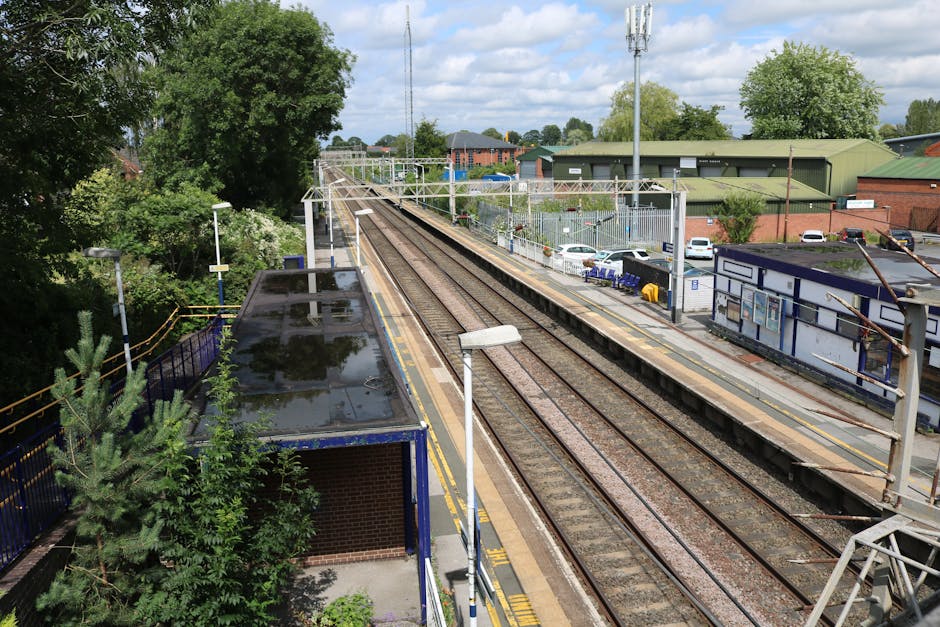
Tadworth house rubbish removal near Tadworth railway station: a practical local guide
If you are dealing with bulky clutter, a packed spare room, or a full property that needs clearing, Tadworth house rubbish removal near Tadworth railway station is usually about one thing: making a stressful job feel straightforward again. Maybe you have just moved, maybe a tenant has left a place with more left behind than expected, or maybe the loft has reached that awkward point where opening the hatch feels like opening a mystery. We have all been there in one way or another. It piles up slowly, then suddenly it becomes the thing you keep avoiding.
This guide explains what local house rubbish removal involves, how the process typically works around Tadworth station, what to look out for, and how to choose the right service for your situation. You will also find practical tips, a comparison table, a checklist, and a few real-world examples so you can move from "I need this gone" to a clear next step without the faff.
For a broader look at related services, you may also find the house clearance service, home clearance options, and general waste removal support useful as you compare what fits best.
Table of Contents
- Why Tadworth house rubbish removal near Tadworth railway station Matters
- How Tadworth house rubbish removal near Tadworth railway station Works
- Key Benefits and Practical Advantages
- Who This Is For and When It Makes Sense
- Step-by-Step Guidance
- Expert Tips for Better Results
- Common Mistakes to Avoid
- Tools, Resources and Recommendations
- Law, Compliance, Standards, or Best Practice
- Options, Methods, or Comparison Table
- Case Study or Real-World Example
- Practical Checklist
- Conclusion
- Frequently Asked Questions
Why Tadworth house rubbish removal near Tadworth railway station Matters
House rubbish removal matters because clutter is not just visual noise. It affects how a home feels, how safely it functions, and how easily you can do the basics of daily life. Near Tadworth railway station, that practical side becomes even more obvious. Properties close to the station may face tighter parking, busier access routes, and narrower windows for loading and unloading. That can turn a simple job into a mildly annoying logistical puzzle. Not impossible. Just fiddly.
There is also a local reality to think about. If you are clearing a property near the station, you may be working around commuters, limited kerb space, shared access, flats above shops, or smaller residential roads where bulky waste cannot just be left out and forgotten. Good rubbish removal services understand that timing and access matter just as much as lifting and loading.
Another reason it matters is speed. A pile of waste in the hallway or a garage that you cannot park in has a way of becoming urgent very quickly. The sooner it is sorted, the sooner the home becomes usable again. That can be especially important before a sale, letting, renovation, or family move.
If the job is more than just a few bin bags, it may help to look at related services such as garage clearance, loft clearance, or even a full flat clearance if the property is compact and storage has spread everywhere.
How Tadworth house rubbish removal near Tadworth railway station Works
Most rubbish removal jobs follow a fairly simple pattern, though the details depend on the type and volume of waste. In plain English: you explain what needs removing, the team assesses the load, agrees a price or estimate, and then collects, loads, and disposes of the waste appropriately. Easy on paper. In real life, the access details can matter a lot more than people expect.
Here is how the process often works near Tadworth railway station:
- Initial contact or enquiry - You describe the items, the property type, and how easy it is to access.
- Assessment - A rough estimate is made based on volume, item type, labour, and disposal requirements.
- Scheduling - A time is arranged that suits your access needs, neighbours, and any parking limits.
- Collection - The team removes waste from inside the property, garden, garage, loft, or driveway.
- Sorting and disposal - Reusable items, recyclables, and general waste are separated where practical.
That last bit is worth paying attention to. A well-run service does not just load everything into a vehicle and call it a day. Good practice means handling different waste types responsibly, including furniture, scrap, garden waste, and builder's debris. If your job involves a mix of material, a more specialised service such as furniture disposal or builders waste clearance may be a better fit than a generic collection.
For heavier domestic clear-outs, it is also common to combine rubbish removal with a more structured furniture clearance or an end-to-end home clearance. That saves time when a property has more than just loose rubbish lying around.
Key Benefits and Practical Advantages
The real benefit of rubbish removal is not simply that the waste disappears. It is that the space becomes usable again. That sounds obvious, but it is the bit people notice most once the job is done.
Here are the main advantages:
- Less stress - You do not need to organise multiple trips to a recycling centre.
- Safer access - Hallways, stairs, gardens, and garages become easier to navigate.
- Faster turnaround - Useful when you are preparing for sale, rent, renovation, or a handover.
- Better property presentation - A cleared home looks cleaner and more spacious.
- More responsible disposal - A reputable service knows how to sort waste properly.
There is also a quieter benefit: momentum. Once the obvious clutter is gone, people often find it easier to finish the rest themselves. A cleared room can change the mood of the whole house. You can hear your footsteps again. Bit dramatic, maybe, but true.
For business owners or landlords who need a tidy handover, it may make sense to pair domestic clearance with business waste removal or, where needed, office clearance. The same applies to anyone dealing with mixed use spaces, converted properties, or rental units near the station.
Who This Is For and When It Makes Sense
House rubbish removal is not only for severe clear-outs or end-of-tenancy disasters. To be fair, lots of ordinary households use it simply because life gets busy and bulky waste is awkward.
It usually makes sense if you are:
- moving house and need to leave unwanted items behind
- clearing a property after years of accumulated clutter
- preparing a home for sale or letting
- dealing with a loft, garage, or shed that has become overloaded
- removing old furniture, broken appliances, or general household waste
- sorting post-renovation debris that cannot go in normal bins
- helping a relative or managing an inherited property
People near Tadworth railway station often need this kind of service because access can be a bit tighter than in more open suburban layouts. Flats, terraced homes, and smaller driveways can all make self-transport of waste more difficult. If the space is awkward, a service built around local access and quick loading can be worth its weight in gold.
Sometimes the issue is not the quantity of waste but the type. For example, one old wardrobe, a sofa, and a pile of broken shelving can be more annoying to move than a larger number of lightweight bags. In that case, using a specialist furniture clearance or even a focused garage clearance may be the smarter route.
Step-by-Step Guidance
If you want the smoothest possible result, treat rubbish removal like a small project rather than a last-minute panic. A little preparation goes a long way.
1. Walk through the property carefully
Start by identifying what is actually going. Be honest here. The temptation is to point at a room and say "everything in there," but a bit of sorting first can lower costs and avoid confusion.
2. Separate waste into basic categories
Try to group items into furniture, general rubbish, garden waste, DIY debris, and anything that might need special handling. This is especially helpful if you have mixed items from a loft or garage.
3. Check access and parking
Near the station, access planning matters. Consider where a vehicle could stop, whether there are time restrictions, and whether stairs or narrow hallways will slow the job down. Small detail, big difference.
4. Measure or estimate volume
You do not need a tape measure for everything, but a rough idea of how much space the waste occupies helps with pricing and vehicle planning. A few photos usually help more than a long explanation.
5. Ask about the disposal route
It is sensible to ask how items will be handled, especially if there are reusable pieces, recyclable material, or awkward waste types. Responsible disposal is not a luxury. It is part of the service.
6. Book a time that suits the property
If neighbours, tenants, or commuters are affected by access, choose a time that keeps disruption down. Early mornings may work for some jobs, but not every road is suitable.
7. Clear small valuables and personal papers first
This sounds obvious, yet people forget. Check drawers, coat pockets, desk trays, and loft boxes before anything leaves the property.
If the job is mainly at home rather than one room, a broader house clearance approach may be the better fit. For lofts, the loft clearance page is useful if the clutter is hidden above the ceiling and accessed through a hatch nobody enjoys using.
Expert Tips for Better Results
Here is the sort of advice that tends to make a real difference on the day.
Tip 1: Put the awkward items closest to the exit. Heavy cabinets, broken beds, and dense boxes take more time than people think. Move them near the door if you can safely do so.
Tip 2: Label anything you are keeping. A strip of tape and a marker pen can prevent accidental loading, especially in rooms that are half-cleared already. It is a tiny thing, but it saves headaches.
Tip 3: Keep pets and children away from the work area. This is common sense, yet easy to overlook when a busy house is being reorganised.
Tip 4: Be clear about items that must stay. If there is any doubt, say so early. One misplaced item can lead to frustration that nobody needs.
Tip 5: Take a quick photo before the team arrives. It helps you remember what was there and gives you a reference if you are clearing several rooms.
A small human note here: the best jobs are the ones where everyone knows the plan before the first item is lifted. That sounds simple, but honestly, it saves so much time.
If you are clearing a property after renovation or repairs, builders waste clearance may be more relevant than a standard house rubbish collection. DIY rubble, plasterboard offcuts, timber, and packaging all create slightly different disposal needs.
Common Mistakes to Avoid
There are a few predictable mistakes that make a straightforward clear-out feel harder than it should be.
- Underestimating the volume - A room that looks manageable can be deceptive once items are stacked and separated.
- Leaving sorting until the last minute - That is how important things get mixed into waste.
- Forgetting access issues - A van cannot always stop right at the door, especially near busy roads or station areas.
- Assuming all waste is the same - Furniture, garden waste, and renovation debris are not handled identically.
- Not checking what is included - Ask what happens to lifting, loading, labour, and disposal before booking.
- Trying to do too much yourself - Some items are simply safer and quicker to let professionals handle.
Another common slip is leaving the job until bins are overflowing and the house feels crowded. That usually makes everything feel more expensive, even when it is not. Truth be told, people often want to pay for calm, not just collection.
Tools, Resources and Recommendations
You do not need much to prepare for rubbish removal, but the right basics help the process go more smoothly.
- Bin bags and heavy-duty sacks for loose waste and smaller items
- Marker pen and tape to label keep piles or fragile items
- Gloves if you are sorting dusty loft or garage contents
- Light source for lofts, cupboards, and back corners
- Phone camera to document the area before and after
- Simple inventory list for larger or mixed clearances
For many homeowners, the best starting point is to decide whether the job is a single-item collection, a room-by-room sort, or a whole-property clearance. That will tell you whether you need a narrow service such as furniture disposal or a more complete package such as home clearance.
If you are comparing providers, it is also sensible to read the company background on the about us page and keep the contact page handy so you can ask specific questions about access, timing, and the type of waste involved.
Law, Compliance, Standards, or Best Practice
For waste removal in the UK, best practice matters. You do not need to become an expert in waste legislation to book a collection, but you should expect any reputable service to handle waste responsibly and to be able to explain how items are disposed of in general terms.
As a customer, the safest approach is to ask sensible questions:
- Will reusable items be separated where possible?
- How are recyclable materials handled?
- Are there restrictions on certain waste types?
- What happens if the load includes mixed materials?
If your clearance involves commercial premises, a rented property, or materials from works carried out by tradespeople, the requirements can be a little different. That is where business waste removal or builders waste clearance becomes especially relevant. It is always better to be clear at the start than to discover halfway through that the waste category is different from what you expected.
Good practice also includes being honest about what is in the load. Hidden sharps, chemicals, gas bottles, or damaged electrical items may need separate handling. If in doubt, ask before the collection day. No drama. Just clarity.
And one more thing: keep any paperwork or booking details until the job is finished. It is boring advice, I know, but boring advice is often the useful stuff.
Options, Methods, or Comparison Table
There is no single "best" way to clear rubbish. The right option depends on volume, access, item type, and how quickly you need the space back.
| Option | Best for | Pros | Things to watch |
|---|---|---|---|
| DIY trips to the tip | Small, light loads | Can be cost-conscious if you have time and transport | Takes effort, multiple journeys, and parking time |
| Man-and-van style removal | Mixed household waste, a few bulky items | Quick, flexible, less physical strain | Needs clear communication about access and volume |
| Full house clearance | Multiple rooms or whole-property jobs | Efficient for larger projects, easier handover | May be more than you need for a small job |
| Specialist item clearance | Furniture, garden waste, loft or garage contents | Well-suited to specific waste types | May not cover unrelated rubbish in other areas |
If your job is mainly furniture, a focused service can make a lot of sense. If the clutter is spread across rooms, lofts, and storage spaces, a broader route may be better. For example, a household clearing old sofas, wardrobes, and sideboards may need both furniture clearance and a wider house clearance plan.
Case Study or Real-World Example
Imagine a typical place not far from Tadworth railway station: a two-bedroom flat with a small storage cupboard, a few old chairs, some broken flat-pack furniture, and a loft box of mixed odds and ends. Nothing dramatic. Just enough clutter to make the place feel cramped.
The owner wants the flat ready for sale photographs by the end of the week. They do not want three separate trips with a borrowed car, and they definitely do not want to spend a Saturday wrestling a wardrobe down the stairs. So the job is split into two parts: bulky furniture removal and general waste clearing from the storage areas.
The useful part here is planning. The owner lists what stays, what goes, and which items are awkward to lift. The team arrives with enough space in the vehicle, clears the larger items first, then sweeps up the smaller waste so the home is left tidy enough for the next stage. The process is not glamorous. It is just efficient. And sometimes that is exactly what you want.
In a different scenario, a homeowner on a narrow road near the station may have a garden shed full of old tools, bags of soil, and broken shelving. That job might be better handled as a combination of garden clearance and a broader waste collection, because the content is mixed and access is tight. Little details like this make a real difference.
Practical Checklist
Use this checklist before collection day. It keeps things simple and helps avoid mistakes.
- Identify everything that needs to go
- Separate rubbish from items you are keeping
- Check lofts, cupboards, sheds, and under stairs
- Remove personal documents, keys, and valuables
- Note any bulky, heavy, or fragile items
- Take photos of the waste if you need a quote
- Check access, parking, and entrance restrictions
- Tell the team about stairs, lifts, or awkward corners
- Ask how different waste types will be handled
- Confirm the date, time, and contact details
- Keep pets and children clear on the day
- Do a final walkthrough before the vehicle leaves
Expert summary: the best rubbish removal jobs are planned just enough to avoid surprises, but not overcomplicated. If the waste is clearly described, access is realistic, and the right service is chosen, the whole thing becomes much easier than people expect.
Conclusion
Tadworth house rubbish removal near Tadworth railway station is really about restoring order without making the process harder than it needs to be. When the waste is piling up, the obvious goal is to get rid of it. The better goal is to do that safely, responsibly, and in a way that suits the property, the access, and your timeline.
If you take a little time to sort what stays, understand the type of waste involved, and choose the right removal approach, you will save stress later. That applies whether you are clearing a flat, a family home, a garage, or a loft that has become a sort of accidental museum of old stuff.
Get a free quote today and see how much you can save.
And if you are still deciding between service types, it may help to revisit the relevant pages for flat clearance, garage clearance, or furniture clearance so you can match the service to the job, not the other way around. A tidy space has a way of changing the whole day, really.
Frequently Asked Questions
What does house rubbish removal near Tadworth railway station usually include?
It usually includes collection, loading, and responsible disposal of household waste, bulky items, old furniture, and other unwanted materials from the property. Exact inclusions vary depending on the service and the waste type.
Can I book rubbish removal for just one room or a few large items?
Yes. Many people do not need a full house clearance. A sofa, wardrobe, bed frame, or a single cluttered room can often be handled as a smaller removal job.
How do I know whether I need house clearance or waste removal?
If you are clearing multiple rooms, an entire property, or a mixture of furniture and waste, house clearance may fit better. If you mainly have loose rubbish or a smaller load, general waste removal may be enough.
Is it better to clear the property myself or hire a service?
DIY can suit small, light loads if you have the time and transport. Hiring a service usually makes more sense for bulky items, limited access, or larger clear-outs where lifting and disposal become a headache.
What should I do before the team arrives?
Separate items you are keeping, remove valuables and paperwork, note anything fragile, and check access routes. A quick photo or list of items is often helpful too.
Do I need to sort recyclables before collection?
Not always, but it helps if you can separate obvious categories such as furniture, garden waste, and general rubbish. That makes the job clearer and can support more responsible disposal.
What if I live near the station and parking is tight?
That is common, and it is worth mentioning early. Good planning around vehicle access, timing, and loading points can prevent delays and reduce disruption to neighbours or pedestrians.
Can you remove old furniture as part of a house rubbish removal job?
Often, yes. Sofas, tables, wardrobes, beds, and similar items are commonly included, though large or awkward furniture may be better handled through a dedicated furniture clearance or disposal service.
What about loft, garage, or garden waste?
Those areas can often be included, but it depends on the job. A loft clearance, garage clearance, or garden clearance may be more suitable if those spaces hold most of the waste.
Are there any items that need special handling?
Yes. Some waste types, such as chemicals, gas bottles, sharp items, or certain electrical goods, may need separate handling. If you are unsure, ask before booking so the collection can be planned properly.
How quickly can rubbish removal be arranged?
Timing depends on availability, job size, and access. Smaller clearances can often be arranged faster than larger ones, especially if you provide clear details up front.
Where can I check company details or ask a question first?
You can review the about us information and use the contact page to ask about your specific property, waste type, or timing needs.