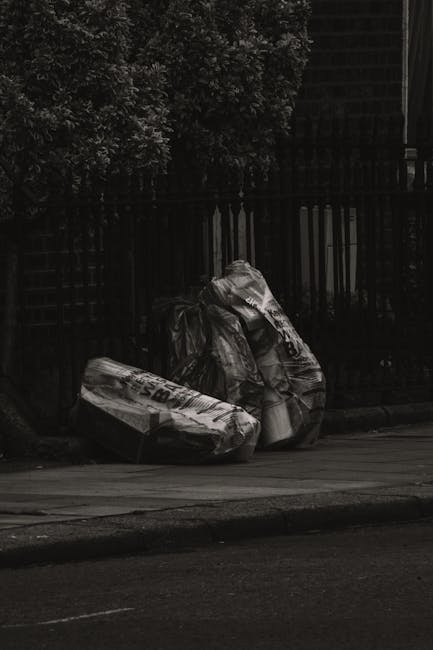
Tadworth Common home clearance and bulky rubbish disposal tips
If you're staring at a spare room full of old furniture, a garage that has quietly become a storage unit, or a pile of bulky waste that won't fit in the car, you're not alone. Tadworth Common home clearance and bulky rubbish disposal tips are really about making a messy job feel manageable again. The trick is not just getting rid of stuff. It's doing it safely, legally, and without turning a straightforward clear-out into a full weekend headache.
In this guide, you'll find a practical way to approach home clearance, how bulky rubbish disposal usually works in the Tadworth Common area, what to sort before anything leaves the property, and where people often trip up. Truth be told, a good plan saves more time than most people expect. And a bad one? That tends to create extra trips, extra costs, and a lot of shrugging at 8pm in the dark. Let's keep it simpler than that.
Table of Contents
- Why Tadworth Common home clearance and bulky rubbish disposal tips Matters
- How Tadworth Common home clearance and bulky rubbish disposal tips Works
- Key Benefits and Practical Advantages
- Who This Is For and When It Makes Sense
- Step-by-Step Guidance
- Expert Tips for Better Results
- Common Mistakes to Avoid
- Tools, Resources and Recommendations
- Law, Compliance, Standards, or Best Practice
- Options, Methods, or Comparison Table
- Case Study or Real-World Example
- Practical Checklist
- Conclusion
- Frequently Asked Questions
Why Tadworth Common home clearance and bulky rubbish disposal tips Matters
Home clearance sounds simple until you are actually standing in the middle of it. A wardrobe with a broken door, an old mattress, children's toys from three phases of life, half-used paint tins, a rusty bike, and maybe a sofa that seemed lighter when you bought it. Suddenly the problem is not just clutter. It is logistics.
For homes around Tadworth Common, the practical challenge is often a mix of limited vehicle space, awkward access, and the need to deal with bulky items without causing damage or stress. If you are clearing a property before a move, after a tenancy, during a bereavement, or just finally tackling years of accumulated stuff, the stakes feel different. There is the emotional side, too. Some items are easy to bin. Others are tied to memory, and that slows everything down. Fair enough.
That is why a clear method matters. It helps you decide what stays, what goes, what needs specialist handling, and what might be resold, donated, or recycled. It also helps you avoid the classic mistake of treating all waste the same. A broken chest of drawers and a bag of mixed rubbish are not the same thing in practice, even if they both end up "going out" eventually.
Another reason this matters is timing. Bulky disposal jobs often get rushed because someone wants the room back quickly. But rushing usually leads to missed items, poor sorting, and a more expensive second round. A better approach is to plan once, move once, and clear it properly. Not glamorous. Very effective.
How Tadworth Common home clearance and bulky rubbish disposal tips Works
At a practical level, home clearance usually follows a straightforward sequence: assess the items, separate what can be reused or recycled, prepare anything valuable or sensitive, and then remove the rest using the appropriate disposal route. Bulky rubbish disposal is the part that often needs the most thought, because bulky items take up space, require lifting, and may have specific disposal requirements.
In a typical home clearance, you might sort items into these broad groups:
- Keep
- Donate or pass on
- Sell if worthwhile
- Recycle
- Dispose of as bulky waste
- Handle separately for specialist items
That last category matters more than people think. Things like mattresses, fridges, freezers, TVs, electricals, paint, and some garden materials may need extra care or separate processing. You do not want to discover that on the driveway, halfway through loading. That sort of discovery is never fun, and usually happens when you are already tired.
If you are using a professional service, the process is usually simpler: they assess the load, quote based on volume, weight, labour, and access, then remove the items and sort them for suitable disposal or recovery. If you are doing it yourself, the process takes longer and you need to think carefully about vehicle space, lifting safety, and where each item can be taken. Either way, the winning formula is the same: sort before you shift.
For readers planning a wider tidy-up, it can also help to think of clearance as part of a bigger property maintenance picture. Some households pair it with garden clearing, end-of-tenancy preparation, or a loft clean-out. If that sounds like you, you may also find it useful to explore house clearance services and the practical details around garage clearance, especially when the clutter has spread beyond one room.
Key Benefits and Practical Advantages
The obvious benefit is space. But the real value goes beyond that. A good clearance creates momentum. You can breathe again. The hallway feels wider, the garage is usable, and the rooms stop whispering for attention every time you walk past.
Here are the main advantages people usually notice:
- Less stress: a clear plan reduces the mental load of sorting everything at once.
- Safer movement: fewer trip hazards, fewer awkward stacks, fewer chances of injury.
- Better recycling: separating items properly gives more material a chance to be recovered.
- Faster property preparation: useful if you are moving, renovating, or handing back a tenancy.
- Cleaner decision-making: once the clutter is out of the way, it is easier to see what the space actually needs.
There is also a financial angle. Not always in the obvious "save money now" sense, but in terms of avoiding duplicate trips, extra labour, or last-minute fixes. For example, if you know a bulky sofa has to be dismantled before removal, you can do that early and avoid paying for additional handling later. Small prep, big difference.
Another advantage is safeguarding sentimental and personal items. During a rushed clearance, valuable documents, photographs, tools, or keepsakes can get swept up by mistake. A deliberate approach reduces that risk. And honestly, once a favourite box of family pictures has gone out with the cardboard, it is a mistake you remember for years. A bit grim, that one.
Who This Is For and When It Makes Sense
This kind of guidance is useful for a fairly wide range of people. You do not need a major renovation or a mountain of waste to benefit from it. Sometimes the job is just awkward enough to need a proper plan.
It makes sense if you are:
- moving home and want to reduce what you take with you
- clearing a property after a long tenancy
- dealing with inherited items or a bereavement clear-out
- refreshing a house before decorating or selling
- tidying a garage, loft, shed, or spare room
- getting rid of furniture that is too large for normal bins
- sorting mixed waste after a refurbishment or garden project
It is also useful when the job looks easy but turns out to be physically awkward. A few flat-pack panels and a broken wardrobe can become surprisingly bulky once you start moving them. Same with old underlay, rugs, or mattresses. They compress badly, shift awkwardly, and somehow always seem heavier than they should.
If you are a landlord, letting agent, executor, or someone helping a relative, the need is often less about the rubbish itself and more about restoring order quickly and respectfully. In those situations, the best service is usually the one that communicates clearly, arrives prepared, and handles the property with care. That sounds basic, but it matters.
Step-by-Step Guidance
If you want a process that actually works, keep it structured. Here is a practical step-by-step method you can use for most home clearance and bulky rubbish jobs.
1. Walk the property and make a quick inventory
Start with a room-by-room sweep. Do not overthink it. You are just identifying the big items, the awkward items, and anything that needs special attention. Write down what is obviously going, what is staying, and what might need a second look.
2. Separate items into clear categories
Use simple groups: keep, donate, sell, recycle, dispose, and specialist. If you can make the categories visible with labels or piles, even better. It avoids the very human habit of moving one thing and accidentally creating another pile nearby. We have all done it.
3. Check for valuables, documents, and hazards
Before lifting anything out, look for passports, bank papers, electronics with data, medication, keys, and anything fragile. Also check for hazardous items such as paints, solvents, sharp objects, and damaged electricals. These should not be bundled in with general waste without thought.
4. Measure access and lifting needs
Door widths, stair turns, narrow hallways, low ceilings, tight corners, parking space. All of these influence how a bulky item leaves the property. A sofa may be easy once you tilt it the right way. Or not. Better to know before the removal crew arrives, or before you commit to carrying it yourself.
5. Decide what can be broken down safely
Some furniture can be dismantled into smaller sections. Beds, wardrobes, shelving units, and desks are often easier to move in pieces. But only do this if it is safe and sensible. If screws are stripped or panels are under tension, forcing it is a bad plan. A mildly dramatic pile of wood splinters does not improve the day.
6. Choose the disposal route
At this stage, you choose between donation, recycling, professional clearance, or your own vehicle run to a suitable facility. If the load is mixed, bulky, and time-sensitive, professional removal often becomes the most efficient option. If it is mostly reusable and light, a more selective approach may make sense.
7. Clear in a sensible order
Start with the largest items so you create movement space early. Then deal with bags, loose items, and smaller leftovers. This is especially helpful in cramped rooms, because removing one large item can suddenly make the rest much easier to handle.
8. Final sweep and sign-off
Once everything is out, do a final walk-through. Check cupboards, behind doors, under beds, in loft access points, and inside drawers. You would be surprised how often one overlooked item becomes the "where did that go?" moment later.
Expert Tips for Better Results
A few simple habits can make the whole job smoother. These are the sort of things people often learn after one or two messy clear-outs. Better to borrow the lessons early.
- Label as you sort. Tape and marker pens are not glamorous, but they stop confusion later.
- Keep one holding area. Put items to go in a single space so they do not drift back into the house.
- Take photos of complex loads. This helps if you are asking for a quote or deciding whether dismantling is needed.
- Protect floors and corners. Old blankets or cardboard can help avoid knocks and scuffs during removal.
- Lift smart, not fast. Use two people for awkward items. Slow is usually smoother anyway.
- Plan for dust and mess. Old furniture, loft contents, and garage clutter often release dust when shifted. A mask and gloves can help, especially if the space has been shut up for a while.
One useful habit is to separate "hard no" items early. Things like leaking containers, broken glass, or damaged electricals should not be left until the end. Deal with them first or mark them clearly. The rest of the job becomes calmer when the awkward bits are handled up front.
If you are working through a larger clear-out, it can also be worth looking at how other property clean-up tasks fit together. For example, a loft, shed, and garden clearance often overlap in terms of access, lifting, and waste sorting. That is where broader waste disposal support can be helpful, and if you have stubborn outdoor waste, garden clearance may save you a lot of back-and-forth.
Common Mistakes to Avoid
A lot of disposal problems come from the same handful of errors. They are easy enough to avoid once you know them.
Mixing everything together
This is the big one. Once general waste, recyclables, reusable furniture, and specialist items are all thrown into one heap, sorting becomes slower and more expensive. It also makes it harder to recycle responsibly.
Underestimating bulky items
A single wardrobe or mattress can dominate a load. People often assume bulky waste is "just a few bits" until they realise how much volume it actually uses. Bulky items are deceptive like that.
Forgetting access issues
Stairs, parking, tight turns, narrow doors, and shared entrances can all slow a clearance. If access is difficult, tell the service provider early. If you are doing it yourself, plan how items will get out before you start carrying.
Ignoring hazard separation
Paints, chemicals, damaged batteries, and sharp objects need special handling. Do not leave them for a last-minute sweep. They are exactly the sort of thing that causes avoidable trouble.
Not checking reuse options
Many items are not waste at all. They may be usable by someone else, particularly furniture in decent condition, working electricals, or tools. Even if you do not donate everything, it is worth checking first. No point binning something useful if it can still do a job.
Leaving the final check too late
Once the van is packed or the car boot is shut, any missed item becomes a new task. Do a proper room check before you close up the property. It sounds obvious, but that is exactly why people skip it.
Tools, Resources and Recommendations
You do not need a warehouse of gear to do this well. A compact kit is usually enough.
| Tool or item | Why it helps | Best for |
|---|---|---|
| Heavy-duty gloves | Protects hands from splinters, sharp edges, and grime | General clearance and lifting |
| Bin bags and rubble sacks | Keeps smaller waste contained and easier to move | Mixed room and garage clear-outs |
| Marker pen and labels | Makes sorting and keeping track much easier | Sorting stages |
| Tape measure | Checks access and item sizes before moving | Bulky furniture and appliances |
| Blankets or cardboard | Helps protect floors, walls, and furniture in transit | Indoor removal |
| Basic hand tools | Useful for dismantling furniture safely | Wardrobes, desks, beds |
| Dust mask | Helps where dust or old debris is likely | Lofts, sheds, long-closed rooms |
For many households, the most useful resource is actually time. A short sorting session on a weekday evening, then a second session before removal day, works better than trying to do it all in one exhausted burst on Saturday afternoon. Little and often. Annoyingly sensible, but true.
If you are comparing service pages to understand what kind of help fits your situation, take a look at office clearance for commercial-scale thinking, or rubbish removal for more general collection approaches. Even if your job is domestic, those pages can help you understand the difference between a simple collection and a fuller clearance service.
Law, Compliance, Standards, or Best Practice
For home clearance and bulky rubbish disposal, the safest rule is simple: make sure waste ends up with the right person or at the right place. In the UK, householders still have a duty to be careful about who takes their waste and how it is handled. If a load is fly-tipped later, people can ask questions. That is not a situation anyone wants.
Because of that, best practice is to work with a provider or method that is transparent about disposal routes and sorting. Ask sensible questions. Where will the waste go? What happens to reusable items? How are electricals or other specialist items handled? A reputable service should be able to explain the process in plain English, without puffing itself up.
It is also wise to treat hazardous or awkward materials separately. Old paint, solvents, gas bottles, asbestos suspicion, and damaged electricals should not be bundled into a random mixed load. If anything looks uncertain, pause and seek proper guidance. That is not over-cautious. It is just sensible.
For landlords and managing agents, good record-keeping matters too. A note of what was removed, when, and by whom can prevent disputes later. For households, the principle is similar: keep your process simple, traceable, and honest. That is the standard worth aiming for.
Options, Methods, or Comparison Table
There is no single right way to handle a clearance. The best method depends on how much there is, how fast it needs to go, and how awkward the items are. Here is a straightforward comparison.
| Method | Best for | Pros | Watch-outs |
|---|---|---|---|
| DIY sorting and transport | Small, manageable clear-outs | More control, potentially lower cost | Time-consuming, lifting risk, vehicle limits |
| Partial self-clearance with collection support | Mixed jobs with a few bulky items | Good balance of effort and convenience | Requires planning and coordination |
| Full professional home clearance | Large, time-sensitive, or difficult properties | Fast, less stress, usually more efficient | Costs more than doing everything yourself |
| Donation and resale first, then disposal | Items in decent condition | Reduces waste, may recover some value | Takes extra time and judgment |
For many Tadworth Common households, the middle option works well. You sort the clear winners yourself, then bring in help for the bulky, heavy, or awkward stuff. That usually keeps cost and effort in a decent balance. Not always, but often enough to be worth considering.
Case Study or Real-World Example
Here is a realistic example. A family preparing a house for sale had a loft full of old boxes, a two-seater sofa in the spare room, a broken chest freezer in the utility area, and a garage packed with garden tools, timber offcuts, and a couple of damaged shelves. Nothing dramatic on its own. Together, it was a lot.
They started with a room-by-room sort on Friday evening. Items with sentimental value were separated first, which helped reduce the risk of accidental disposal. On Saturday morning they checked access, measured the freezer and sofa, and dismantled one shelving unit that would otherwise have been awkward to carry. By the time removal day came, the load was already grouped neatly: reusable tools, recyclable metal, bulky furniture, and mixed waste.
The real difference was not speed alone. It was how much calmer the process felt. No one was standing there wondering whether the old camera box had been thrown out by mistake. No one was trying to squeeze a mattress through a corner blind. The job still took effort, of course. But it felt organised, which is half the battle.
That kind of result is very typical when the clearance is planned in stages rather than tackled in one long, sweaty push. Especially in older homes where storage has crept into every spare inch.
Practical Checklist
Use this checklist before clearance day. It keeps the job sharp and avoids the silly oversights that make people mutter at the end of the afternoon.
- Walk every room and list the bulky items
- Separate keep, donate, sell, recycle, dispose, and specialist items
- Remove valuables, documents, and personal keepsakes first
- Check for sharp, heavy, or hazardous items
- Measure doors, stairs, and access routes
- Dismantle furniture only if it is safe to do so
- Prepare gloves, sacks, labels, and protective coverings
- Confirm parking or vehicle access if needed
- Plan the order of removal from largest to smallest
- Do a final sweep of cupboards, loft spaces, and under furniture
Expert summary: The best home clearance is usually the one that starts with sorting, not lifting. If you get the categories right early, bulky rubbish becomes much easier to manage, and the whole process feels less chaotic. Simple idea. Powerful result.
Conclusion
Tadworth Common home clearance and bulky rubbish disposal tips are most useful when they help you slow the job down just enough to do it properly. Start with sorting. Respect bulky items for what they are: awkward, heavy, and often more complicated than they look. Keep reusable items separate, handle hazardous bits with care, and choose the disposal route that fits the scale of the task.
Done well, a clearance gives you back space, time, and a bit of headroom in your day. And sometimes that is worth more than people expect. One clear room can change the mood of a whole house.
If you are facing a larger clear-out, or you simply want a quicker, safer way to deal with bulky waste, it is worth comparing your options before the clutter grows into a bigger job than it needs to be.
Get a free quote today and see how much you can save.
Frequently Asked Questions
What counts as bulky rubbish in a home clearance?
Bulky rubbish usually means items too large, heavy, or awkward for normal household bins. That often includes sofas, mattresses, wardrobes, appliances, large bags of mixed waste, and dismantled furniture pieces.
Should I sort items before a clearance service arrives?
Yes, if you can. Even a basic sort into keep, donate, recycle, and dispose makes the job smoother and can reduce mistakes. It also helps the team work faster and more safely.
Can usable furniture be donated instead of thrown away?
Often, yes. If the item is clean, safe, and in decent condition, donation or reuse may be a better option than disposal. It is worth checking first, especially for larger items.
How do I prepare a property for bulky waste removal?
Clear walkways, measure access, remove personal items, and group the waste in one or two easy-to-reach areas if possible. If something is too heavy or awkward, note it in advance rather than leaving it as a surprise.
What happens to mixed waste from a home clearance?
Mixed waste is usually sorted again after collection where possible, with recyclable and reusable materials separated from general disposal streams. The exact process depends on the provider and the type of load.
Is it better to clear a whole house at once or room by room?
Room by room is usually easier for most households. It keeps decisions simple, prevents items being moved twice, and makes it less likely that important things get missed.
What should I do with old electrical items?
Old electricals should be handled separately where possible because they may need special processing. Do not bury them in a general mixed pile if you can avoid it.
How can I avoid lifting injuries during home clearance?
Use two people for awkward items, lift with care, avoid twisting while carrying, and dismantle furniture when it is safe to do so. If something feels too heavy or unstable, stop and reassess.
Do I need to check access before booking bulky rubbish disposal?
Yes. Access matters a lot more than people expect. Stairs, parking, narrow hallways, and tight turns can affect how the job is carried out and how long it takes.
What is the biggest mistake people make with home clearance?
The biggest mistake is starting to move items before sorting them. Once everything becomes one giant pile, the job gets slower, messier, and more stressful than it needs to be.
Can I combine garden waste and household bulky items in one clearance?
Sometimes, yes, if the service accepts mixed loads. But it is best to separate them in advance where you can, because garden waste and household waste may be handled differently.
How do I know whether I should clear items myself or get help?
If the job is small, light, and easy to access, DIY may be fine. If it involves large furniture, limited time, awkward access, or a lot of mixed waste, getting help often makes more sense.